Feel engineering: camera roll, music duck and combo pitch as small details that earn replays
Replay value in an arcade runner rarely comes from progression and almost always from feel. A handful of small technical choices in ORBYX make the difference between one session and the next retry.
Feel engineering: camera roll, music duck and combo pitch as small details that earn replays
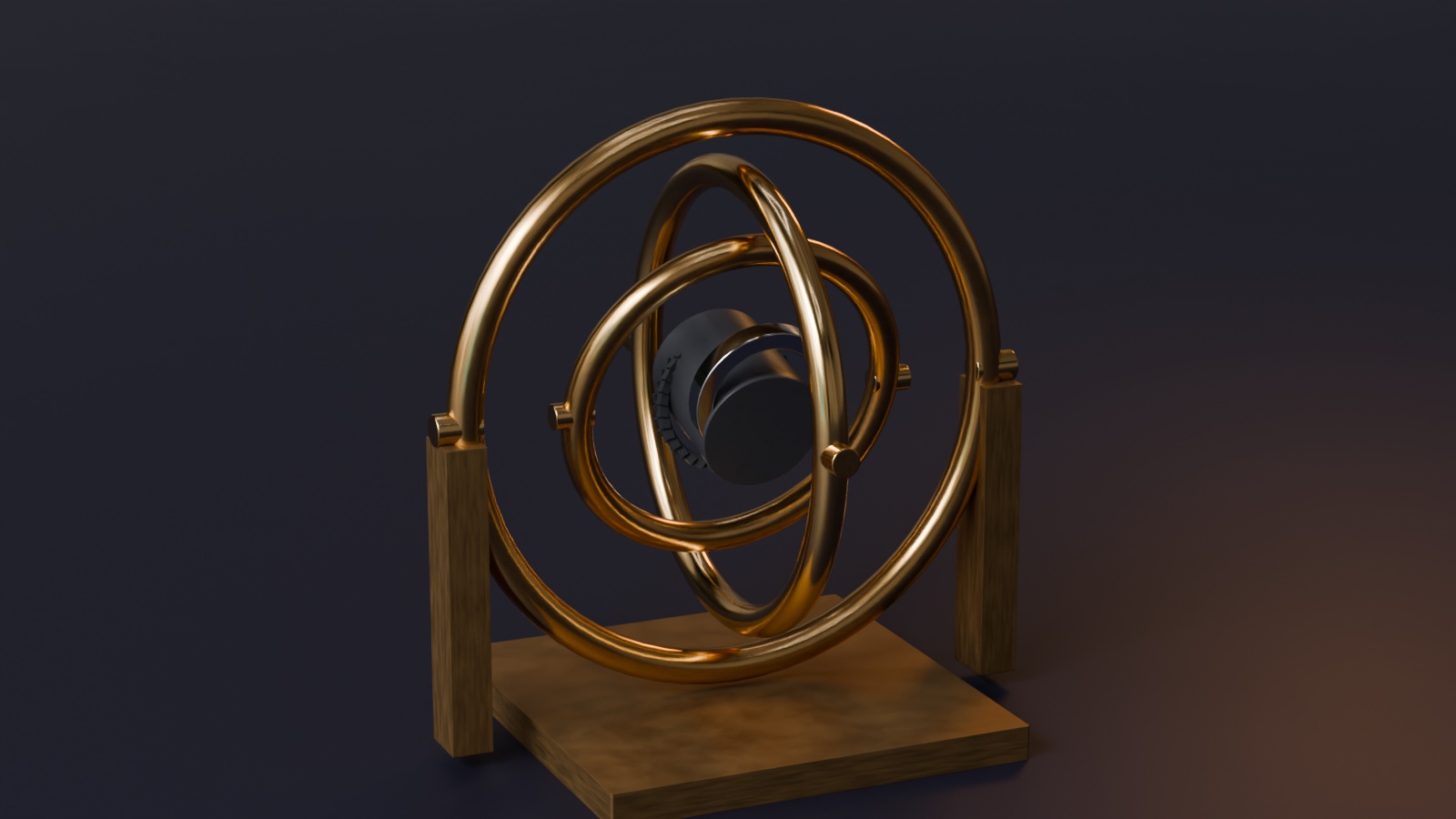
What actually drives replay
An arcade runner like ORBYX has no story arc, no open world, and no big progression cliffs. What brings a player back for a second, third or thirteenth run is "how it feels". Feel is not a mysterious word — it is a collection of small technical choices that together form an unconscious rhythm. ORBYX recently sharpened those choices deliberately.
Four small details, one feeling
The feel pass added no new content. What it did install was four subtle effects:
- Camera roll on hard turns — the camera tilts slightly in the direction of the steering input. Not enough to be nauseating, just enough that the brain feels the turn with the body.
- Music duck on death — when the ship crashes, the ambient music dips ~6 dB for 400 ms. The effect is that the player hears the death audio against a quiet backdrop, raising impact without extra sound effects.
- Combo audio pitch — every consecutive combo bumps the ring-hit sound by a semitone. At a 5-combo the pitch is noticeably higher. That is not just a feel boost; it is also an audible meter against which the player can recognise their streak without looking at the UI.
- Speed-scaled engine hum — the procedural engine hum has a fundamental tone that scales linearly with the speed scale. The player hears acceleration before they see it.
Why this works
Feel effects work best when they stay below the threshold of conscious perception. A player who explicitly sees the camera tilt feels manipulated. A player who does not see it but registers that the turn "feels right" is more inclined to run again. The combination of sight (roll), hearing (pitch + duck) and proprioception (haptics on ring hits) reinforces the same causal line through three senses at once. That is cheap for the builder and compelling for the player.
What it costs and earns
Together the four effects fit into a few hundred lines of code and use no extra assets. A quick-resume button got a nudge in the same release: when the player picks the same mode/theme as the previous session, mode/theme selection is skipped automatically. A small UX choice that says: ten Bruggencate Development knows the player comes back, and behaves accordingly.
When feel stops helping
No amount of feel rescues a game with a broken core loop. ORBYX' core loop — fly through rings, dodge obstacles, chase a score — was already solid in pre-release tests. In that light, the feel pass is a multiplier on something that already works, not a patch on something that does not. That is the right order: core loop first, feel layered on top.
Share this article
Curious what is possible?
One conversation is usually enough to tell whether it fits. A reply within 24 hours, and no middlemen.