Software for the public sector
Compliance is the Starting Point
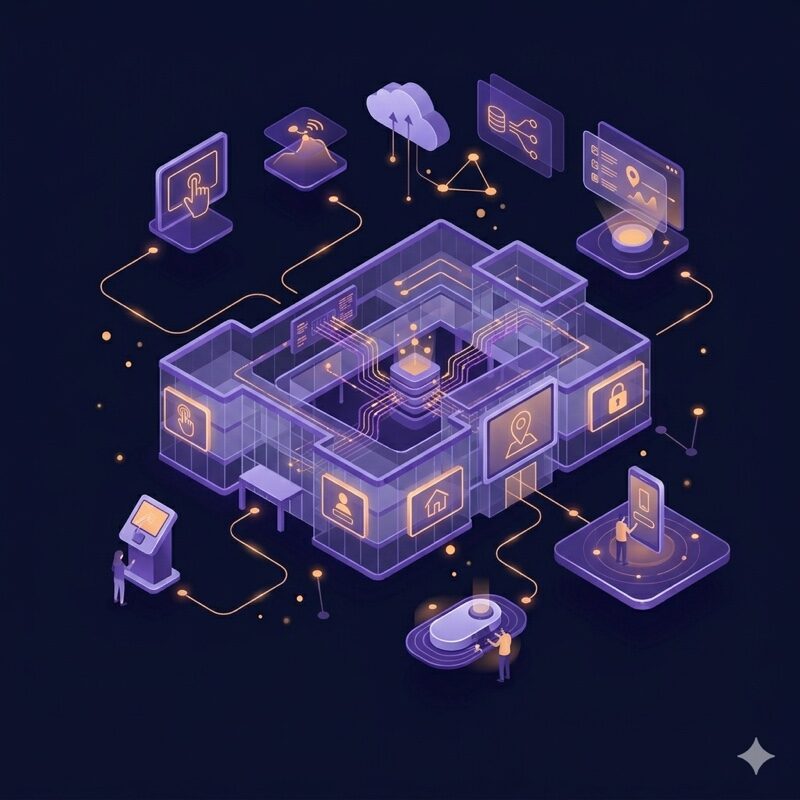
BIO classification, DigiD integration, audit trails — in government software, these are not an afterthought. We build these requirements in from the architecture phase. Logging, access control and traceability sit in the foundation, not in a layer on top.
Modernising Legacy Without Breaking Operations
For Pleio — the social intranet platform for government bodies — work was carried out on scalability and migrating legacy architectures to modern Symfony stacks. Earlier public-sector engagements (pre-2018) include senior backend development at Logius on the high-performance, high-availability backend of MijnOverheid.nl, with connections and APIs to DigiD and the Kadaster — covered on the About page. The same pattern every time: incrementally modernising existing systems while daily operations continue uninterrupted.
Short Lines with People Who Know the Landscape
Government IT is complex — not because of the technology, but because of the context. Established standards, multiple stakeholders, legacy systems that have been running in production for years. We understand that reality. We incrementally transform monolithic PHP applications into modular architectures, fully documented and traceable.